
- Anasayfa
- Kategoriler
- Yazarlar
- Hizmetlerimiz
- Akademik Faaliyetler
- Hakkımızda
- İletişim
- Giriş Yap
- Sepet: (0 TL)
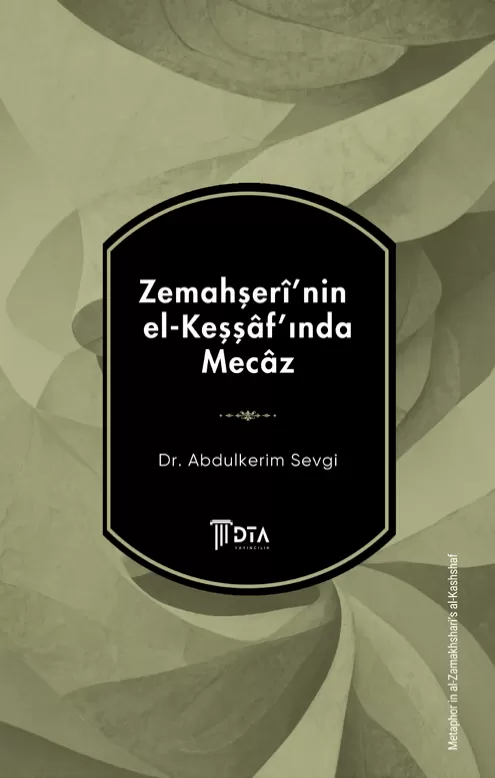
| Yazar: | Dr. Abdulkerim Sevgi |
| Eser Türü: | Basılı |
| Yayıncı: | DTA Yayıncılık |
| Yayın Tarihi: | 28/05/2026 |
| Kategori: | Tefsir |
| Sayfa Sayısı: | 319 |
| Dil: | Türkçe |
| Kapak: | Karton |
| Boyut: | 13,5 x 21 cm |
| ISBN: | 978-625-8606-18-8 |
Kur’ân’ın anlam dünyasında mecâzın yeri, klasik tefsir geleneğinin en önemli tartışma alanlarından birini teşkil etmektedir. Bu kitap, söz konusu tartışmayı Mu‘tezilî düşüncenin önde gelen temsilcilerinden Zemahşerî’nin el-Keşşâf adlı tefsiri merkezinde ele alarak, mecâzın Kur’ân yorumundaki işlevini kapsamlı ve karşılaştırmalı bir incelemeyle ortaya koymaktadır. Eserde, önce hakîkat ve mecâz kavramlarının anlam çerçevesi, mecâzın İslam düşüncesindeki tarihsel gelişimi ve Kur’ân’daki varlığına dair tartışmalar ele alınmakta; ardından el-Keşşâf tefsirinde mecâzın kavramsal çerçevesi ve bu çerçeveye uygun istiâre, temsîl, tahyîl ve aklî mecâz örnekleri ayetler ekseninde incelenmektedir. Eser, yalnızca Zemahşerî’nin mecâzî yorumlarını değil, aynı zamanda bu yorumları Fahruddîn Râzî, Beydâvî ve Nesefî gibi Ehl-i Sünnet müfessirlerinin yaklaşımlarıyla karşılaştırarak değerlendirmektedir. Bu yönüyle çalışma, mecâzın Kur’ân tefsirindeki yerini ve sınırlarını tartışan, alana katkı sunan bütüncül bir inceleme niteliği taşımaktadır. Mecâzı sadece bir dil ve belâgat meselesi olarak değil, ilahî kelâmın anlaşılması bakımından temel bir yorum anahtarı olarak değerlendirmeyi amaçlayan bu kitap, özellikle tefsir alanında mecâz konusunu çalışmak isteyen araştırmacılar ile Kur’ân dilinin inceliklerine ilgi duyan okuyucular için önemli bir başvuru kaynağı niteliğindedir. Akademik titizlikle hazırlanan eser, Zemahşerî’nin el-Keşşâf’ında mecâzın kurucu rolünü bütün boyutlarıyla görünür kılmayı hedeflemektedir.
The place of metaphor in the semantic world of the Quran constitutes one of the most important areas of debate in the classical tradition of Quranic exegesis. This book addresses this debate by focusing on al-Kashshaf, the commentary of al-Zamakhshari, one of the leading representatives of Mu'tazilite thought, and reveals the function of metaphor in Quranic interpretation through a comprehensive and comparative study. The work first examines the semantic framework of the concepts of reality and metaphor, the historical development of metaphor in Islamic thought, and the debates surrounding its presence in the Quran; then, it analyzes the conceptual framework of metaphor in al-Kashshaf and examples of simile, representation, imagination, and rational metaphors within this framework, based on relevant verses. This work not only examines al-Zamakhshari's metaphorical interpretations but also compares them with the approaches of Sunni commentators such as Fakhr al-din Razi, Baydawi, and Nasafi. In this respect, the study constitutes a holistic examination that contributes to the field by discussing the place and limits of metaphor in Quranic exegesis. Aiming to consider metaphor not merely as a matter of language and rhetoric but as a fundamental key to interpretation in understanding divine revelation, this book is an important reference source, especially for researchers wishing to study metaphor in the field of exegesis and for readers interested in the subtleties of Quranic language. Prepared with academic rigor, the work aims to reveal the foundational role of metaphor in al-Zamakhshari's al-Kashshaf in all its dimensions.
Kur’ân, Tefsir, Zemahşerî, el-Keşşâf, Mecâz, İstiâre, Temsîl, Mecâz-ı isnâdî.
Qur'an, Commentary, Zamakhshari, al-Kashshaf, Metaphor, Simile, Representation, Metaphor of attribution.
DTA Yayıncılık, kitap yayıncılığının yanı sıra, akademik kitap ve tez projelerine yönelik danışmanlık ve editoryal hizmetler, dizgi ve tasarım çalışmaları (afiş ve web tasarımı dahil) ile akademik bilgi paylaşımı destekleyen kurslar ve atölyeler düzenlemektedir.
© Copyright DTA. Tüm Hakları Saklıdır

Bugünkü Ziyaret: 306 | Toplam Ziyaret: 141780