
- Anasayfa
- Kategoriler
- Yazarlar
- Hizmetlerimiz
- Akademik Faaliyetler
- Hakkımızda
- İletişim
- Giriş Yap
- Sepet: (0 TL)
| Yazar: | Prof. Dr. Hüseyin Güneş |
| Eser Türü: | Basılı |
| Yayıncı: | DTA Yayıncılık |
| Yayın Tarihi: | 17/02/2026 |
| Kategori: | Din Bilimleri |
| Sayfa Sayısı: | 113 |
| Dil: | Türkçe |
| Kapak: | Karton |
| Boyut: | 13.5 x 21 cm |
| ISBN: | 978-625-5959-97-3 |
| E-ISBN: | 978-625-94425-1-8 |
| DOI: |
 10.70717/dta. 9786259442518
|
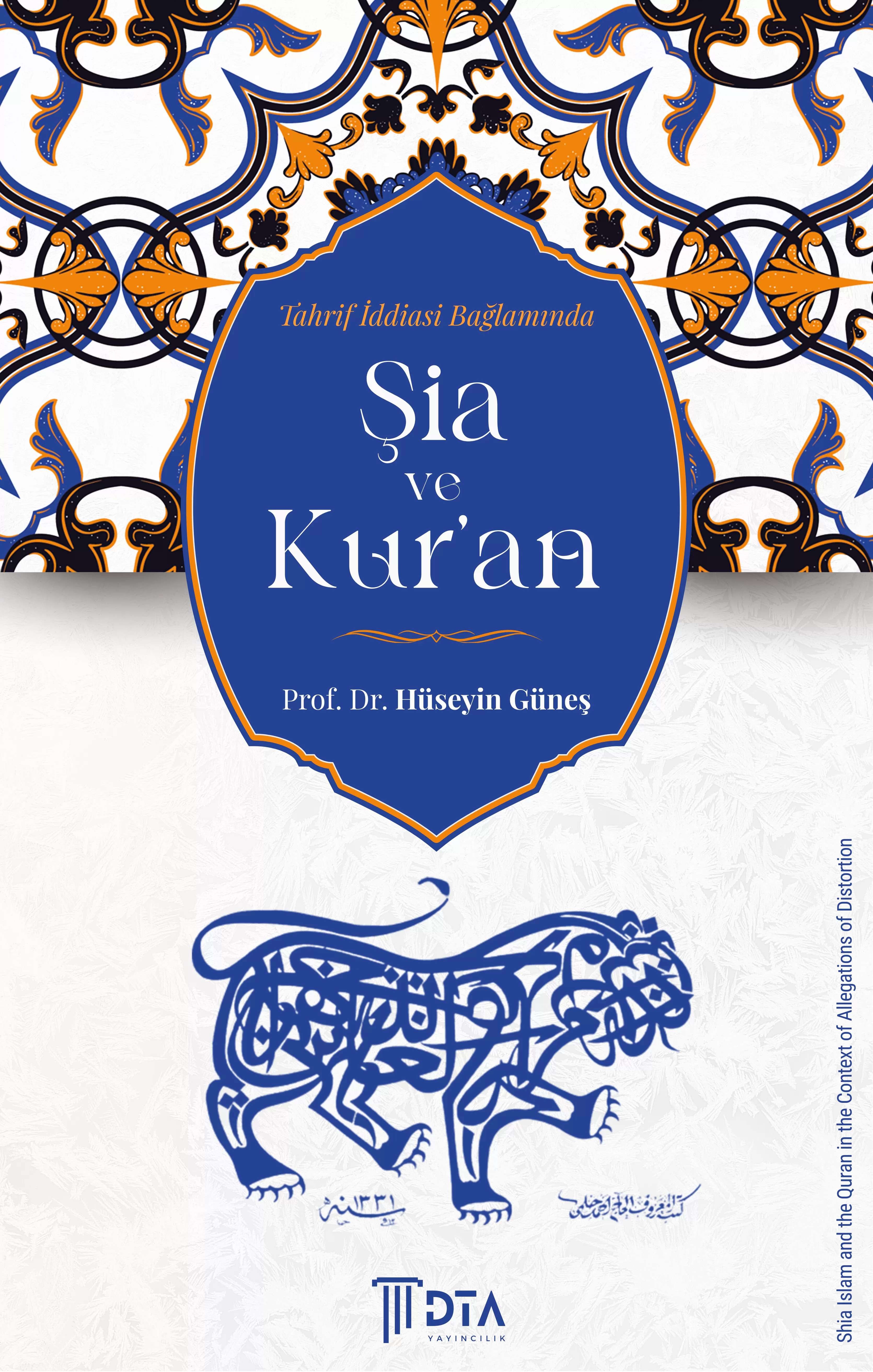
Şia, müslümanlar arasında imamet konusundaki ihtilafın neticesinde ortaya çıkmıştır. İmameti bir çekirdeğe benzetecek olursak; Şia, bu çekirdekten filizlenerek gelişmiş, büyümüş ve günümüzde hâlâ varlığını sürdürmektedir. Şüphesiz Şia, (İsnâ ‘Aşeriyye) İslamî bir mezheptir. Yine şüphe yok ki Şia, bütün görüşlerini ya Kur’ân’a ya da Hz. Peygamber’e nisbet edilen bir hadise dayandırmaktadır. Ehl-i Sünnetle, gerek inanç esasları, gerekse fıkhî meselelerde aralarında derin farklılıklar yoktur. Bu hususu, özel olarak Kur’ân-ı Kerim için de ifade edebiliriz. Ancak imamet konusunda aşırıya kaçıp da yollarını şaşıran bazı şiîler, Hz. Ali’ye nispet edilen mushaftan yola çıkarak bir takım asılsız iddialarda bulunmuşlardır. Onlara göre; Rasulullah vefat ettiğinde Hz. Ali, Kur’ân’ı toplayıp ashaba arz etmiş; fakat onlar, o mushafta kendilerini kötüleyen ayetleri görünce, onu reddetmişler. Bu mushaf, Hz. Ali’nin oğlu Hasan’a, ondan sonra diğer imamlara, en sonunda da Muhammed el-Mehdi el-Muntazar’a intikal etmiştir. Bu imamın gaybeti ile söz konusu mushaf, onun yanında saklı kalmıştır. Adı geçen Mehdi, zuhur edince gerçek mushafı da ortaya çıkarıp insanları ona davet edecektir. Günümüzdeki şiîlerde görülen durum, onların bu tür iddialara itibar etmedikleri ve onlara inanmadıkları yönündedir. Ancak, “Acaba bu konuda takiyye mi yapıyorlar?” sorusu, haklı veya haksız olarak, devamlı akıllarda takılı kalmıştır.
Shia emerged as a result of the dispute regarding the Imamate among Muslims. If we were to liken the Imamate to a seed; Shia sprouted from this seed, developed, grew, and continues to exist today. Undoubtedly, Shia (the Twelver / Ithna Ashari) is an Islamic sect. Again, there is no doubt that Shia bases all its views either on the Qur'an or on a hadith attributed to the Prophet. There are no deep differences between them and the Ahl al-Sunnah (Sunnis), neither in the principles of faith nor in jurisprudential matters. We can state this point specifically regarding the Holy Qur'an as well. However, some Shiites who went to extremes regarding the Imamate and lost their way have made certain baseless claims based on a mushaf (codex) attributed to Ali. According to them, when the Messenger of Allah passed away, Ali collected the Qur'an and presented it to the Companions; but when they saw verses in that mushaf condemning themselves, they rejected it. This mushaf passed to Ali's son Hasan, then to the other Imams, and finally to Muhammad al-Mahdi al-Muntazar (the Awaited Mahdi). With the occultation (ghaybah) of this Imam, the mushaf in question remained hidden with him. When the aforementioned Mahdi appears, he will reveal the true mushaf and invite people to it. The situation observed among contemporary Shiites is that they do not give credit to such claims and do not believe in them. However, the question "Are they practicing taqiyya (religious dissimulation) on this matter?" has, rightly or wrongly, constantly lingered in people's minds.
Din, İslam Tarihi, İslam Mezhepleri
Religion, Islamic History, Islamic Sects
DTA Yayıncılık, kitap yayıncılığının yanı sıra, akademik kitap ve tez projelerine yönelik danışmanlık ve editoryal hizmetler, dizgi ve tasarım çalışmaları (afiş ve web tasarımı dahil) ile akademik bilgi paylaşımı destekleyen kurslar ve atölyeler düzenlemektedir.
© Copyright DTA. Tüm Hakları Saklıdır

Bugünkü Ziyaret: 104 | Toplam Ziyaret: 92415